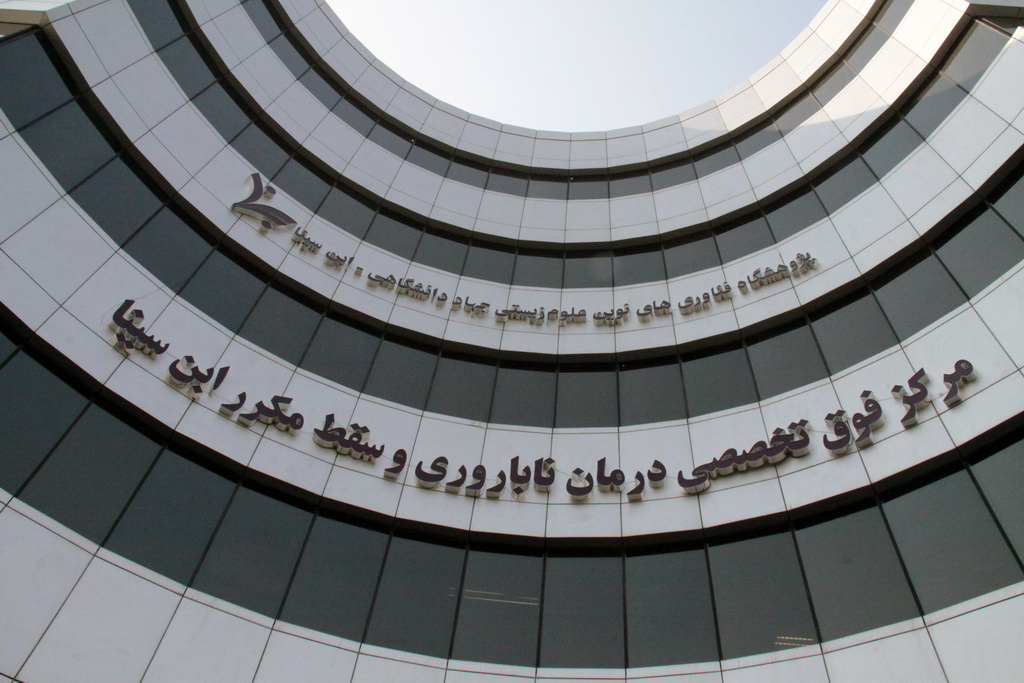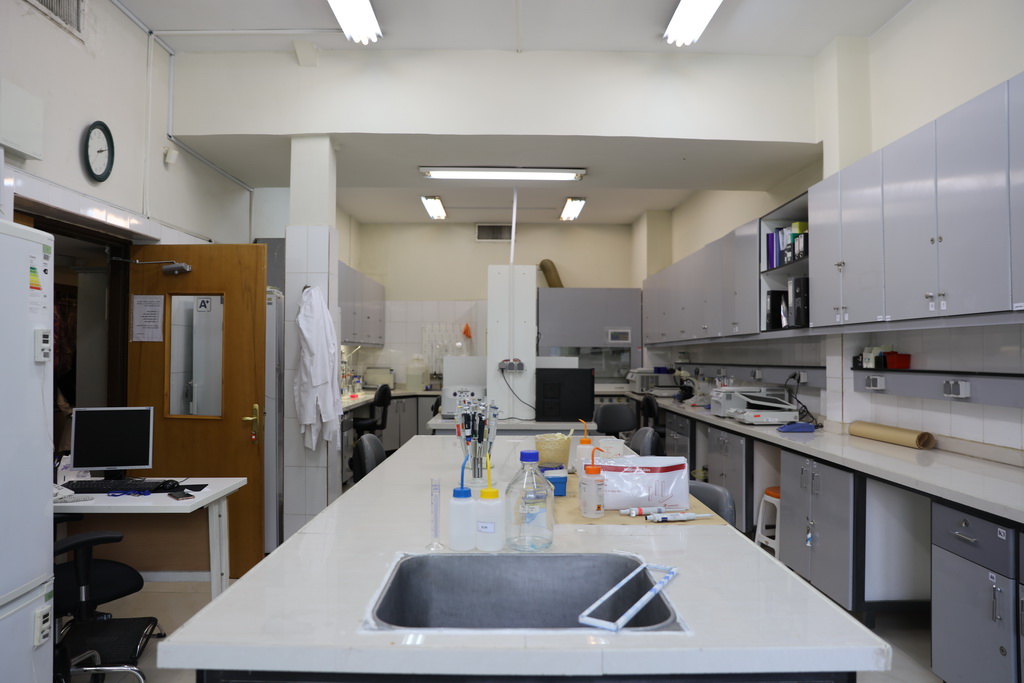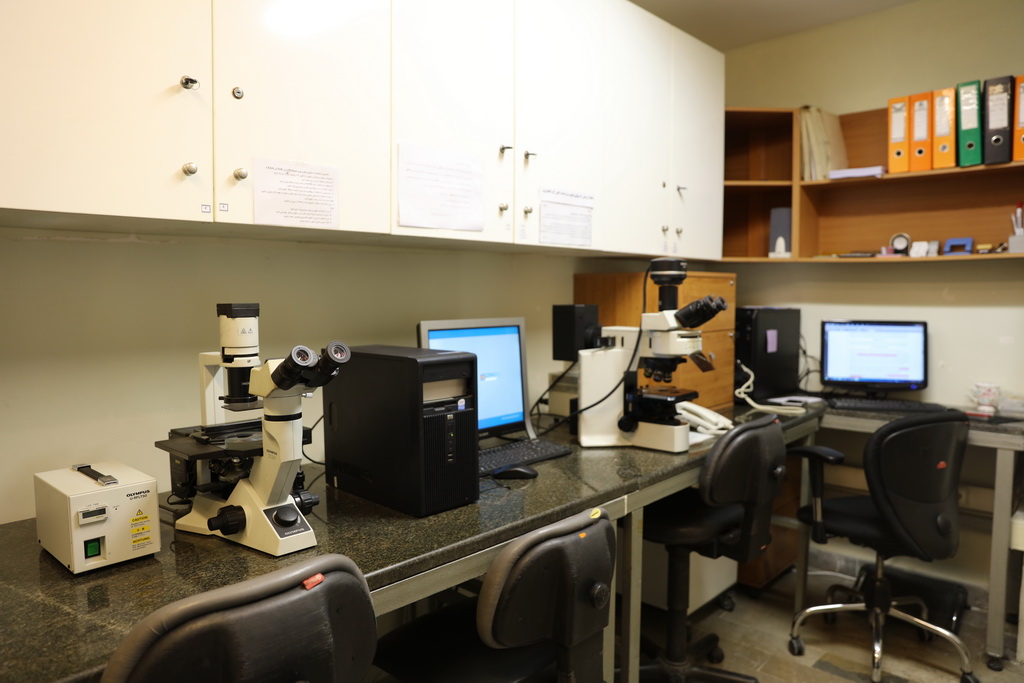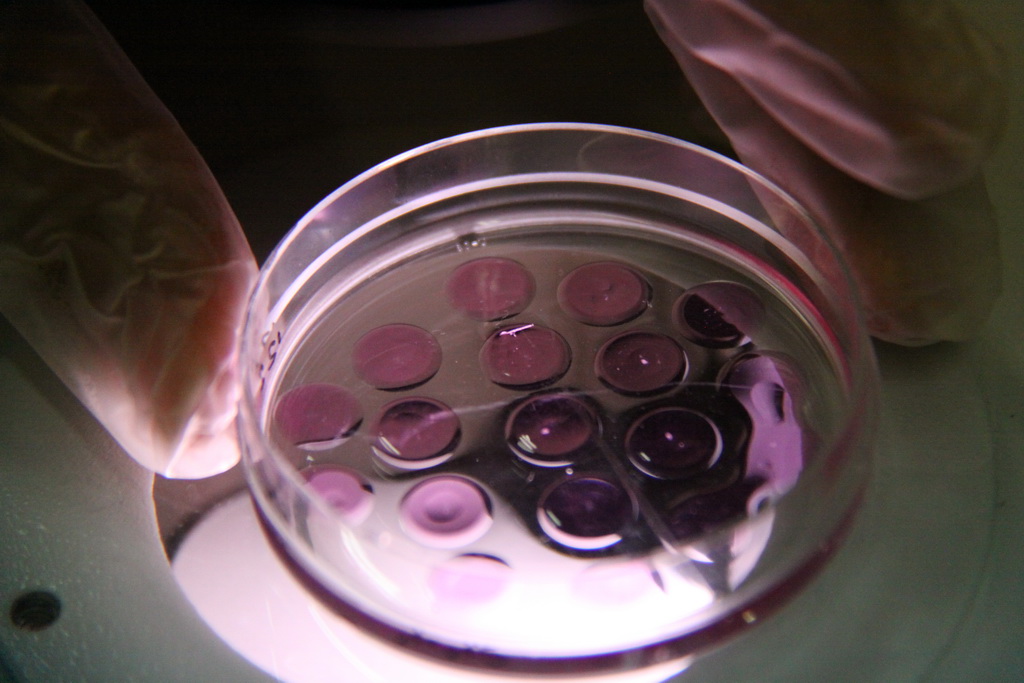



Nanobiotechnology Research Center
On 9th of January 2008, the permission to establish the Research Center was issued by Ministry of Health and Medical Education after the final verdict of Development Council of Universities of Medical Sciences.
Finally, the center was founded on 7 November, 2008 after obtaining the approval from board of trustees at Academic Center for Education, Culture and Research (ACECR).
Along with the fundamental activities of Avicenna Research Institute in the field of modern biotechnologies and with the aim of accomplishing the policies, short and long term goals of the Iranian Nanobiotechnology Organization, the Nanobiotechnology Research Center (NRC) was founded with central idea of applying nanotechnology in the diagnosis and treatment of hard to treat diseases.
The main focus of the programs and activities of the NRC swivels round the following topics:
- Becoming a scientific research hub responding to research needs of the Iranian health system using nanotechnology
- Becoming one of the internationally recognized scientific research centers in nanobiotechnology and medical nanotechnology
This center is carrying out several research projects on topics related to its priorities and main activities financed by domestic and international funds. One of the distinguishing features of this center is the cooperation and collaboration of basic science specialists from different fields of biology and chemistry in conducting research and treatment projects. The goal of all specialists and experts in this center is to develop knowledge and nanotechnology in various fields of medical sciences, including the diagnosis and treatment of chronic and hard to treat diseases.
As nanotechnology is in its infancy despite extremely rapid development over the past decade, a wide spectrum of research areas have been presented to researchers interested in nanotechnology, which make the planning and accomplishment of all these aspects quite infeasible; therefore, this research center has focused its research priorities in application of nanotechnology in biotechnology and medicine on the the following areas:
- Designing new cancer diagnosis and treatment systems
- Designing a controlled drug release system
- Production of recombinant pharmaceutical proteins and conducting molecular studies using these proteins
- Isolation and purification of cells or proteins using new methods (Such as magnetic nanoparticles, etc.).
- Construction of intelligent nanostructures for drug delivery
- Synthesis of chemical or biological nanoparticles
With the efforts of the faculty members of this research center, the knowledge of the following technologies has been set up and established:
- Production of CdSe quantum dots (QDs) and establishment of functional groups and their conjugation to breast and ovarian anti-cancer antibodies
- Binding of magnetic nanoparticles to monoclonal antibodies and peptides and their optimization and use in the diagnosis of breast cancers
- Investigation and optimization of metal-ion affinity chromatography of histidine-containing proteins using magnetic particles
- Extraction and purification of magnetic nanoparticles from magnetotactic bacteria
- Construction and quality evaluation of MACS columns
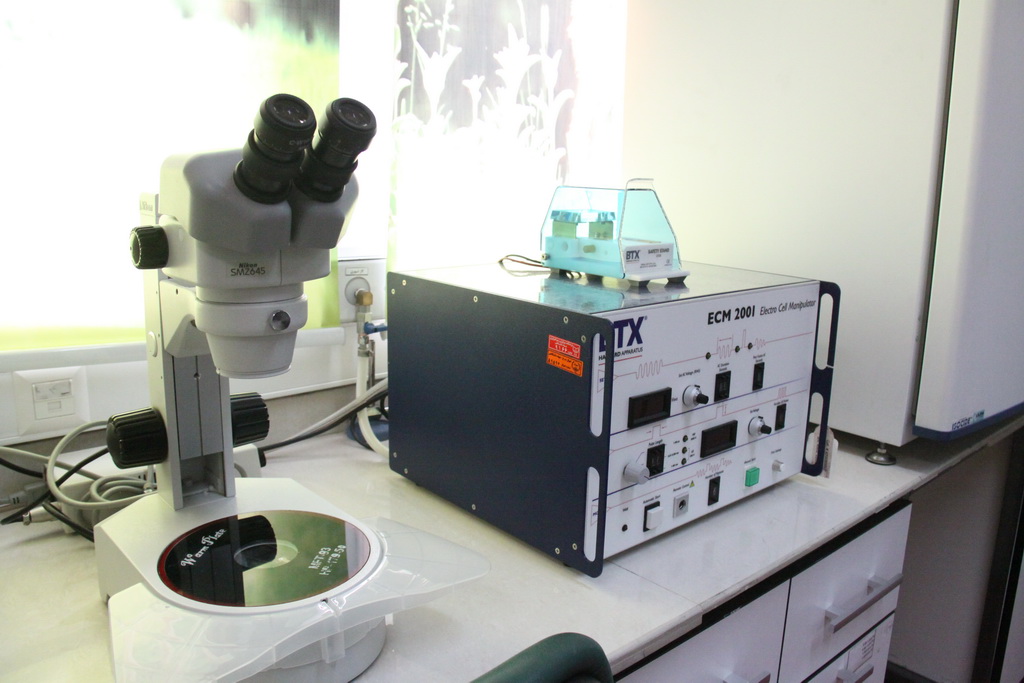
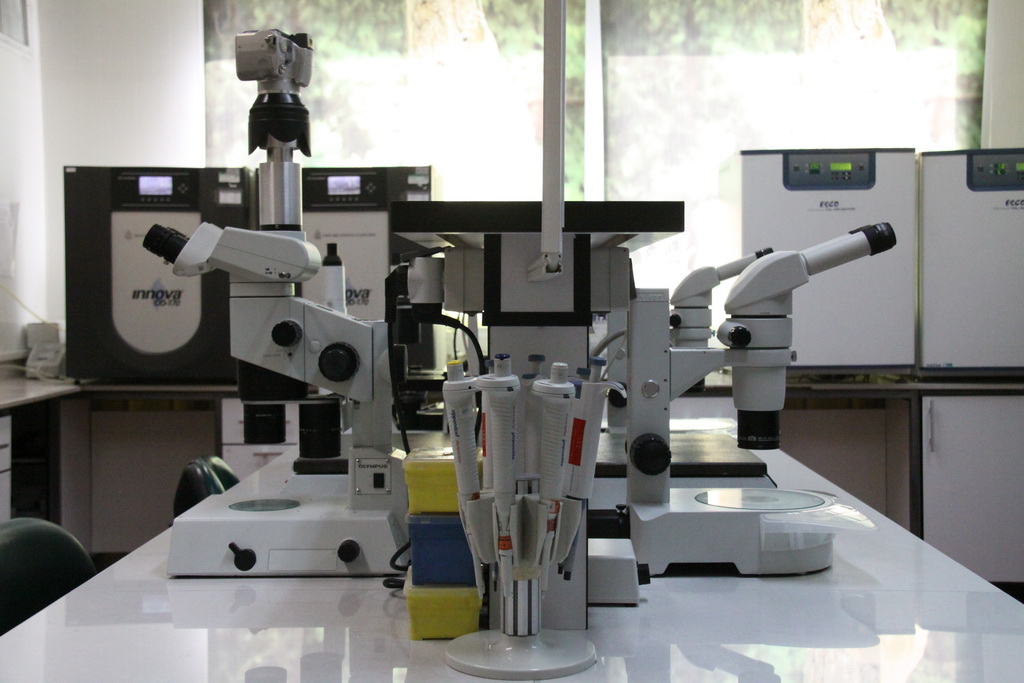
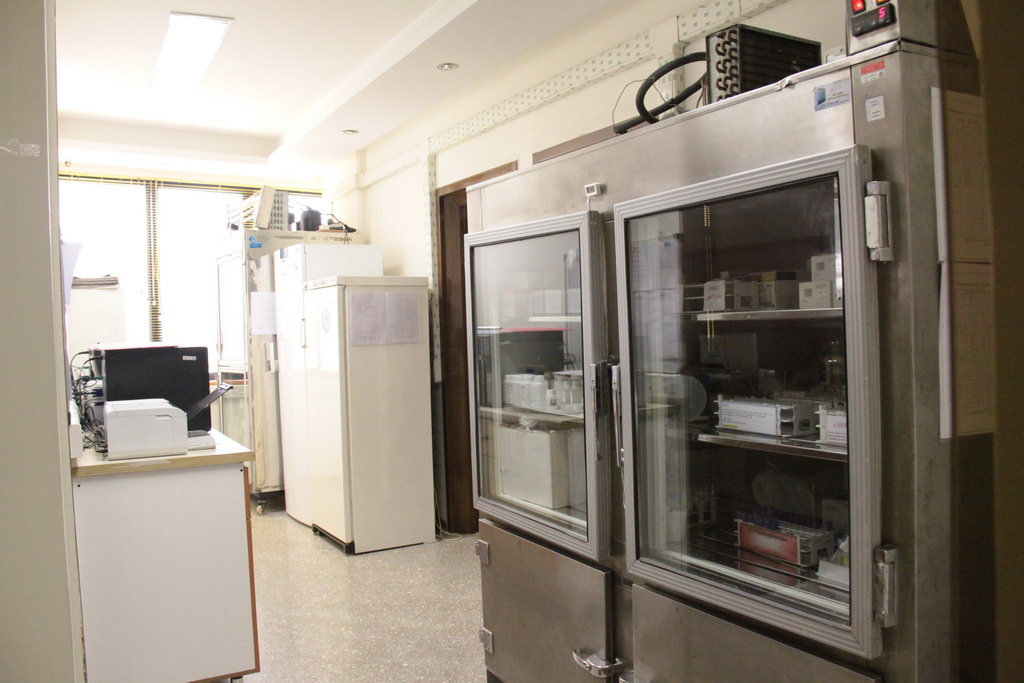
Based on the capabilities of the Center, it is one of the fixed members of Iran Nanotechnology Laboratory Network and currently provides services for scholars in universities and industry:
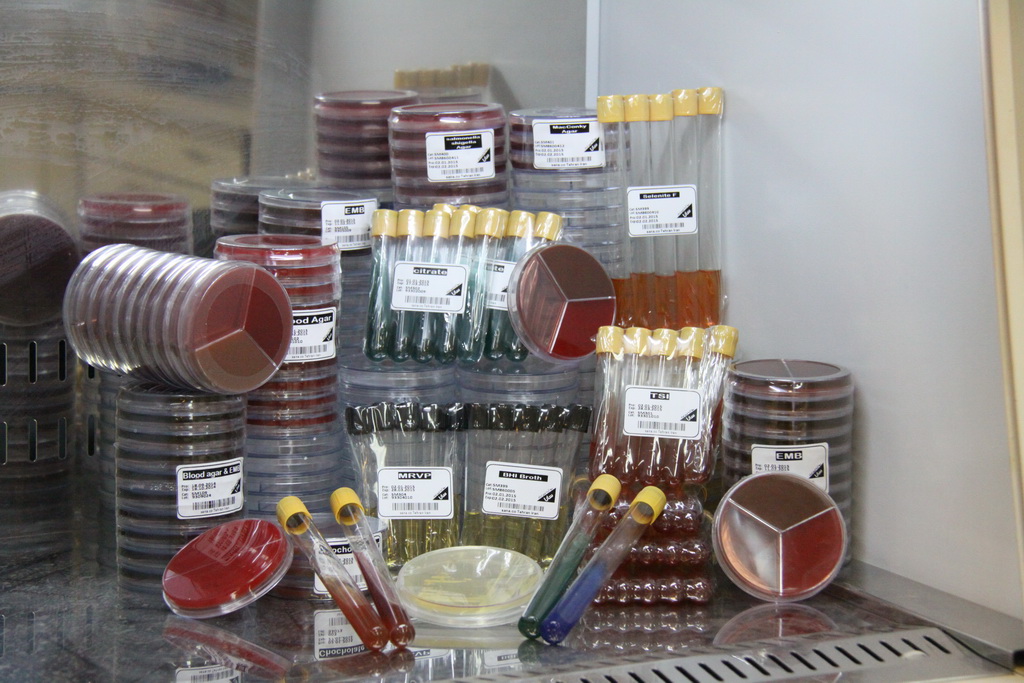
- Investigation of cytotoxicity of nanoparticles
- Analysis of nanoparticles by HPLC method
- Synthesis and protection of magnetic nanoparticles
- Nanoparticle analysis by DLS
- Purification of cells and biomolecules by Magnetic-Activated Cell Sorting Columns and metal-ion affinity chromatography
Future development plans :
- Registration of patents for products obtained from the findings of research projects
- Commercialization and introduction of products, as the outcome of developmental and applied research projects, to the market by knowledge-based companies
- Gaining independence to cover all research and development costs by selling the knowledge-based products
- Development and launching new laboratories related to nanotechnology
- Recruiting specialized manpower in order to increase productivity
- Admission and training of master and doctoral students in nanobiotechnology
- Becoming a research hub through achieving the latest technologies, increasing the specialized capacity to conduct research activities and specialized services, creating a dynamic and productive research environment, establishing effective international communication, conducting new research in relevant specialized fields, and nurturing capable and outstanding research students
The colleagues who are the fixed members of Iran High-Tech Laboratory Network (http://labsnet.ir) may favor the discounts on lab tests. Please apply for the specialized services and equipment of the Nanobiotechnology Research Center (As listed in http://labsnet.ir/lab/15), and send it to Mr. Mohammad Reza Nejadmoghaddam at .
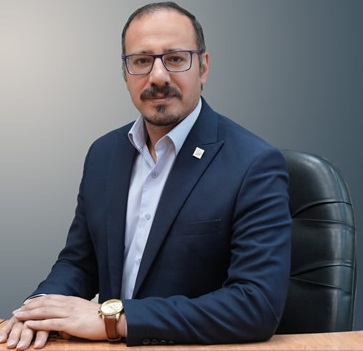
Dr. Ramin GhahremanzadehHead of the Research Center